

Why this matters: Modern conflicts require adaptive learning. Understanding how organizations learn (or fail to learn) is critical for success in complex, evolving environments.
The Puzzle of Military Adaptation
Two armies face similar insurgencies. One adapts and succeeds. The other repeats the same failing tactics for years. What makes the difference?
The answer lies in organizational learning. It's not about resources, technology, or even initial strategy. It's about whether an organization can:
- Recognize when its methods aren't working
- Question fundamental assumptions
- Institutionalize new knowledge across the entire organization
- Create feedback loops that enable continuous adaptation
This lesson examines two real historical cases where these factors determined success or failure.

Understanding Organizational Learning Theory
John Nagl's "Learning to Eat Soup with a Knife" applies organizational learning theory to military institutions. The title comes from a T.E. Lawrence quote about the difficulty and necessity of adapting to insurgent warfare.
Core Concepts
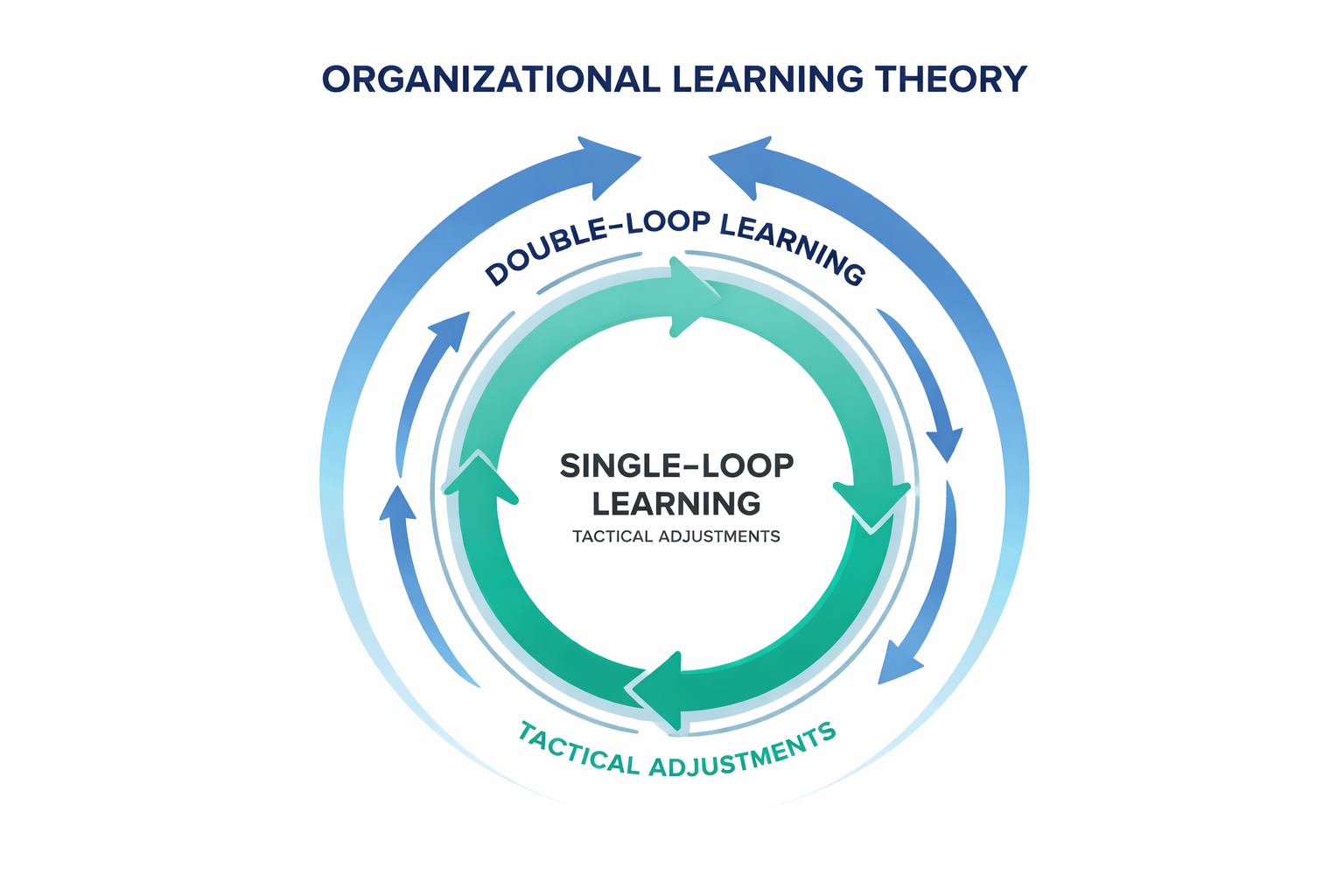
- Single-Loop Learning: Adjusting tactics within existing frameworks (doing things better)
- Double-Loop Learning: Questioning fundamental assumptions and changing the framework itself (doing better things)
- Organizational Culture: The shared beliefs, values, and practices that shape how an organization learns
- Learning Organizations: Institutions designed to continuously adapt to changing environments
Key Insight: Counterinsurgency requires double-loop learning because traditional military doctrine—designed for conventional warfare—often fails against irregular enemies who blend into civilian populations.
Case Study 1: British Army in Malaya (1948-1960)
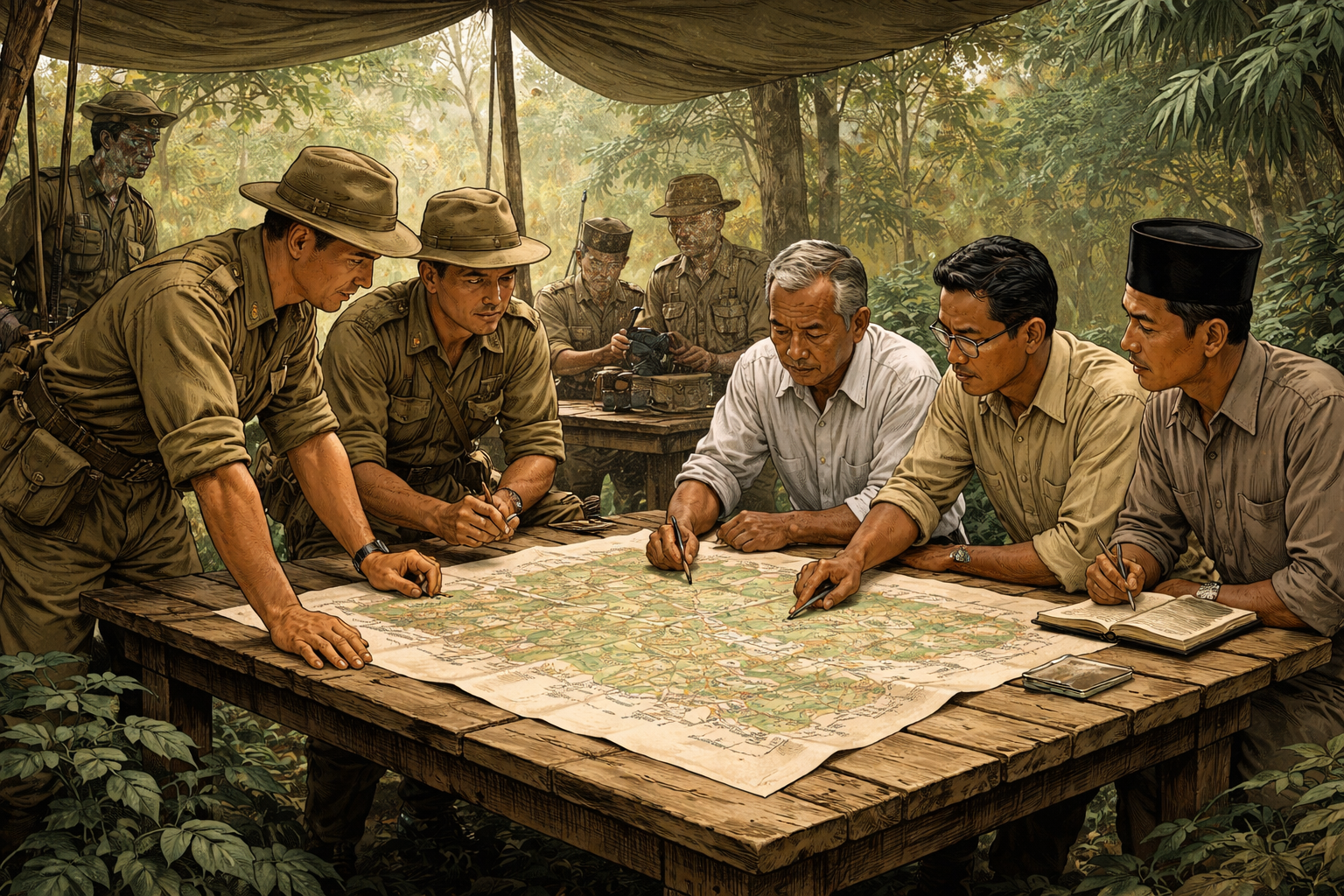
The Malayan Emergency pitted British forces against communist insurgents in dense jungle terrain. The British initially struggled but eventually developed effective counterinsurgency doctrine.
How the British Learned
- Decentralized Command: Field commanders had authority to experiment and adapt tactics
- Intelligence Integration: Close coordination between military, police, and civilian authorities
- Population-Centric Approach: Focus shifted from killing insurgents to protecting and winning over civilians
- Doctrine Development: Lessons were codified into official training and manuals
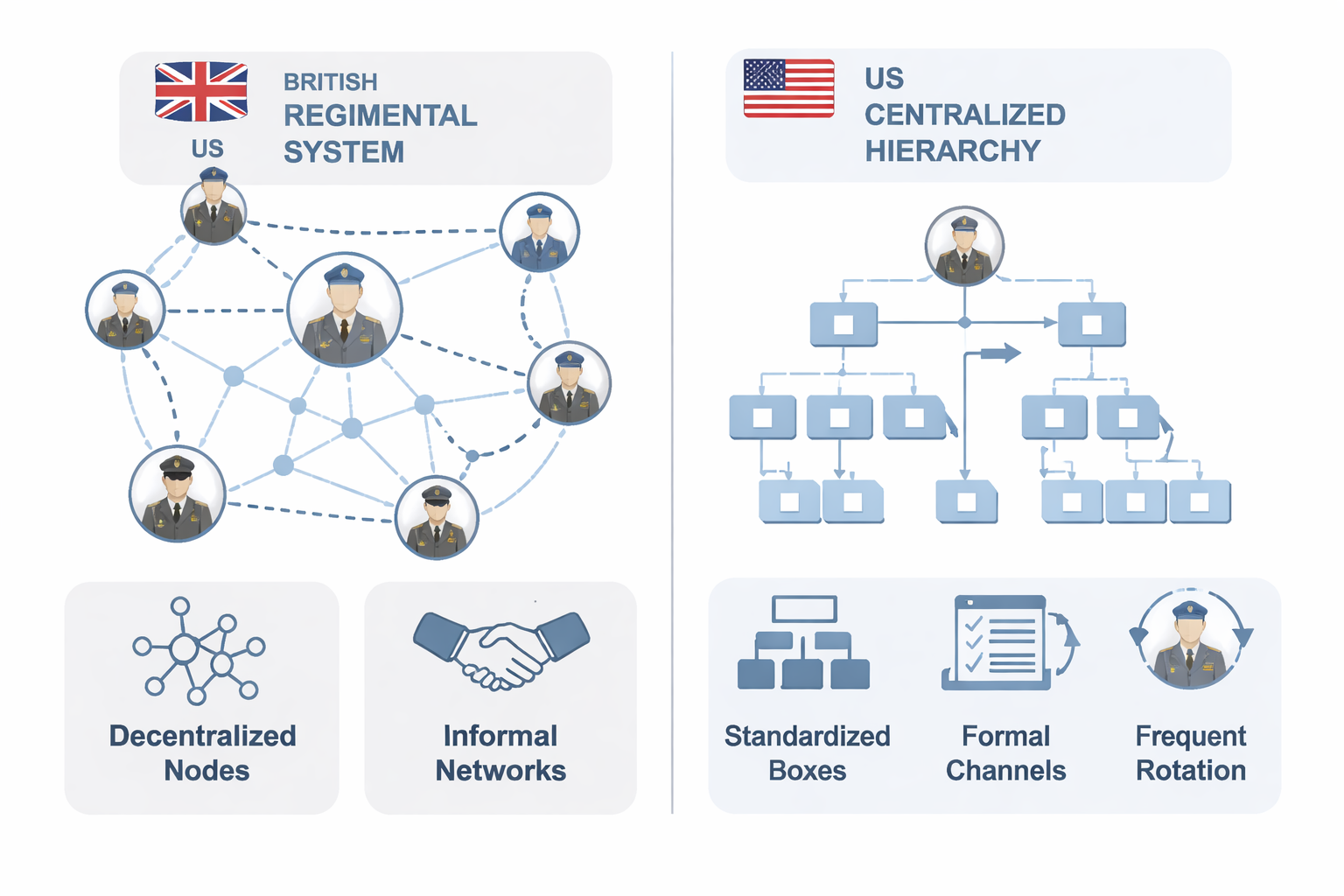
Critical Success Factor: The British Army's regimental system and tradition of officer autonomy created space for innovation. Junior officers could test new approaches, and successful tactics spread through informal networks.
Case Study 2: American Army in Vietnam (1961-1973)
Despite access to British lessons from Malaya, the U.S. Army struggled to adapt to counterinsurgency in Vietnam, repeatedly applying conventional warfare doctrine to an unconventional conflict.
Why the U.S. Army Struggled to Learn
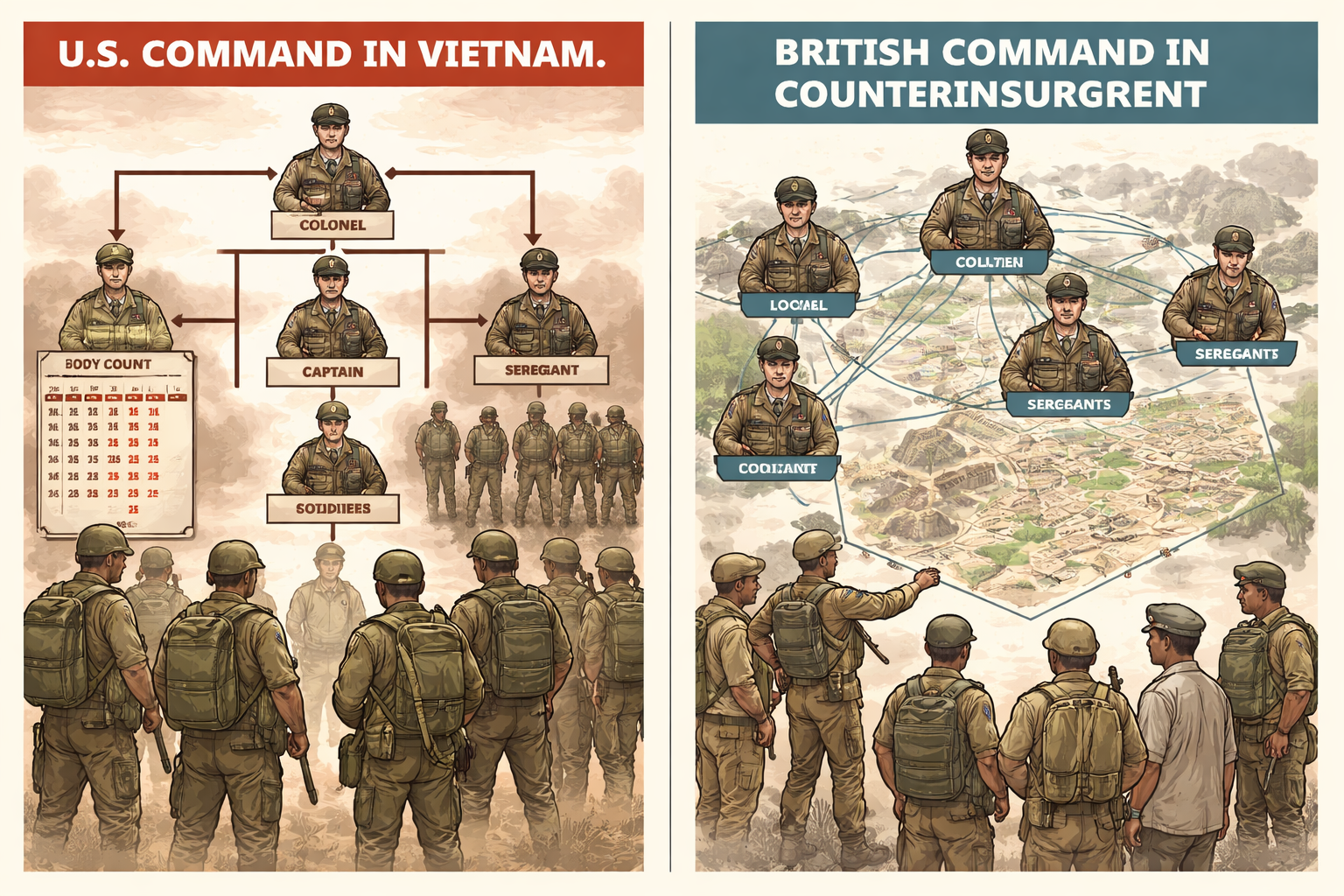
- Centralized Command Culture: Limited autonomy for field commanders to deviate from doctrine
- Rotation Policies: One-year tours prevented institutional memory and continuity
- Metrics That Misled: Body counts and kill ratios reinforced conventional thinking
- Institutional Resistance: Senior leaders prioritized preparing for conventional war in Europe
Organizational Barrier: The U.S. Army's culture emphasized standardization, efficiency, and preparing for high-intensity conventional conflict. This made it difficult to embrace the messy, politically complex reality of counterinsurgency.
Comparing British Success and American Struggle
British Army (Malaya)
- Decentralized command structure
- Long officer assignments
- Regimental autonomy
- Informal learning networks
- Population-centric metrics
U.S. Army (Vietnam)
- Centralized command hierarchy
- One-year rotation policy
- Standardized procedures
- Formal doctrine channels
- Enemy-centric metrics
These structural differences explain why one army adapted effectively while the other struggled despite having access to similar information about counterinsurgency requirements.
Broader Lessons for Learning Organizations
Nagl's analysis extends beyond military contexts to any organization facing complex, evolving challenges.
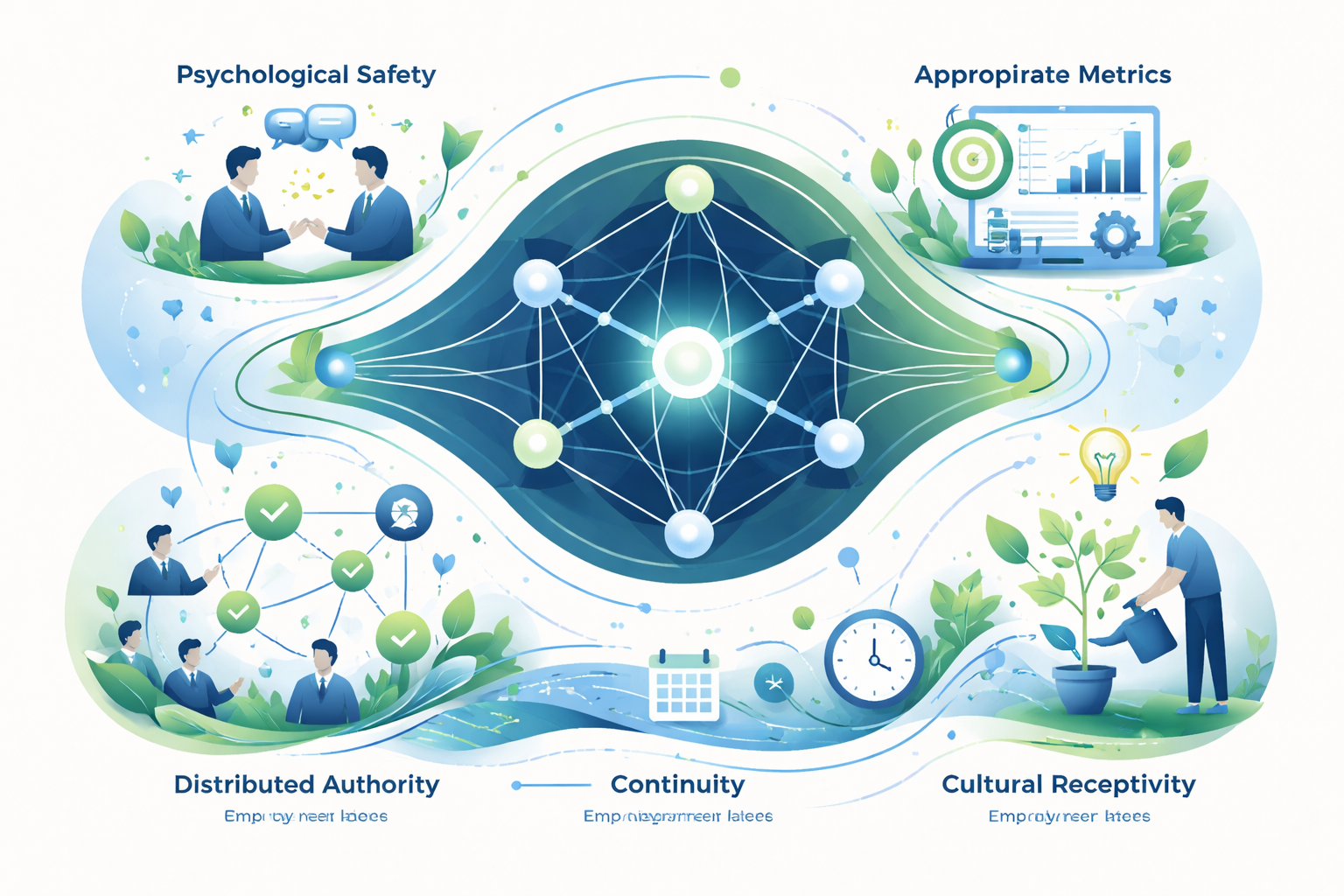
Characteristics of Adaptive Organizations
- Psychological Safety: Members can question assumptions without career risk
- Distributed Authority: Those closest to problems have power to experiment
- Continuity: Institutional memory is preserved and transmitted
- Appropriate Metrics: Success measures align with actual objectives
- Cultural Receptivity: The organization values learning over being right
Application: Whether you're managing a tech startup, healthcare system, or educational institution, these principles determine whether your organization can adapt to disruption or will be defeated by it.
Chapter 9: Implications for Future Conflicts
In the final chapter, Nagl examines what these historical lessons mean for contemporary military operations and organizational design.
Key Recommendations
- Institutional Flexibility: Build capacity for rapid doctrine adaptation
- Career Incentives: Reward officers who develop expertise in unconventional operations
- Educational Reform: Military education should emphasize critical thinking over rote procedures
- Civil-Military Integration: Break down barriers between military, diplomatic, and development efforts
Prophetic Insight: Written before the Iraq and Afghanistan wars, Nagl's work anticipated many challenges the U.S. military would face in those conflicts—and his recommendations influenced the 2006 counterinsurgency field manual.

Key Takeaways
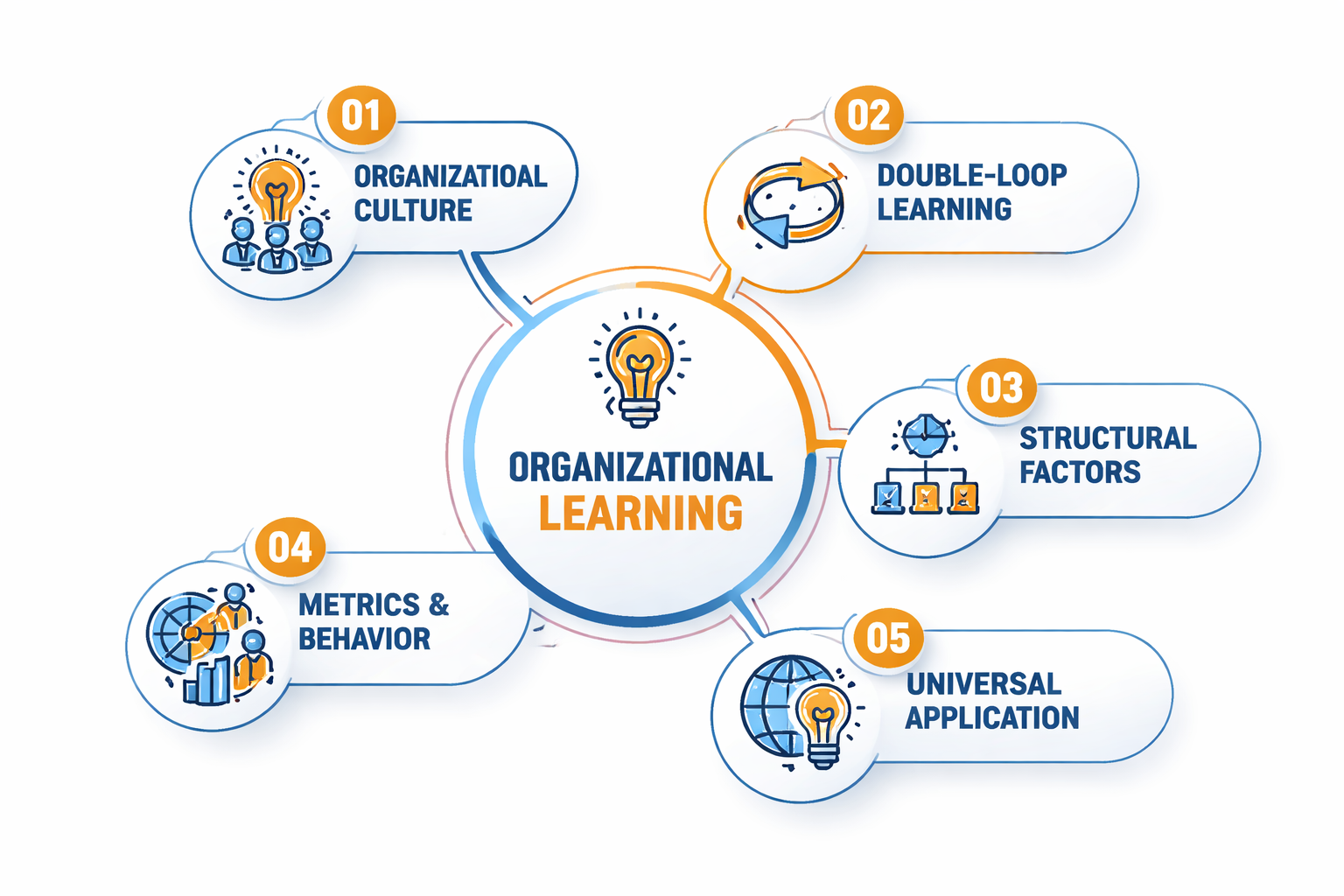
1. Organizational Culture Determines Learning Capacity
The British Army's decentralized structure enabled adaptation; the U.S. Army's centralized culture hindered it.
2. Double-Loop Learning Requires Questioning Assumptions
Success in counterinsurgency demanded fundamentally rethinking military purpose and methods, not just tactical adjustments.
3. Structural Factors Matter More Than Information
Having access to lessons (like British experience in Malaya) doesn't guarantee learning if organizational structure prevents adaptation.
4. Metrics Shape Behavior and Learning
What you measure determines what you learn. Body counts reinforced conventional thinking; civilian security metrics would have encouraged adaptation.
5. These Lessons Apply Beyond Military Contexts
Any organization facing disruption or complexity can benefit from understanding how structure enables or prevents learning.
Assessment: Test Your Understanding
You've explored organizational learning theory and two historical case studies. Now demonstrate your ability to apply these concepts.
Assessment Format:
- 5 multiple-choice questions
- Questions cover concepts, analysis, and application
- You must score 80% or higher to earn your certificate
- You may retake the assessment if needed
Click Next when you're ready to begin.
Assessment Results
Your Score